After two years in the world of ADAS (Advanced Driver Assistance Systems) and safety-critical automotive design, I’ve realized that building complex hardware isn’t just about "solving the problem." It’s a high-stakes balancing act between safety, bureaucracy, and the messy reality of implementation.
If you are entering this field expecting a clean, linear path, prepare for a reality check. Here is my "two cents" on why building complex products the classical way is tough—and how we can actually deliver.
1. Safety Isn't a Feature; It’s a Boundary
In the luxury automotive space, finding a solution that "works" is only 10% of the job. The other 90% is mapping out every scenario where that solution might fail.
- The Constraint: Designing Adaptive Cruise Control isn't just about perception and propulsion controls; it’s also about defining the exact limits that pose "no unreasonable risk."
- The Environment: If you don't understand the thermal thresholds of an EV Battery Management System, the North Indian heatwave will turn your product into a liability faster than any software bug. You must monitor the system constantly, or get ready to see it burn.
2. The "Abstraction Trap"
Organizations love the three sequential realms of development: Logical, Physical, and Software. While abstraction helps maintain a system, it often kills development pace. Many teams obsess over keeping all three layers perfectly synced even when the top two become irrelevant.
The Pivot: Be a Systems Engineer when defining the scope, but be ready to transition to a Software Systems Engineer the moment you hit implementation. At the end of the day, the only thing that matters is whether the software delivers.
3. Regulations: The Invisible Fence
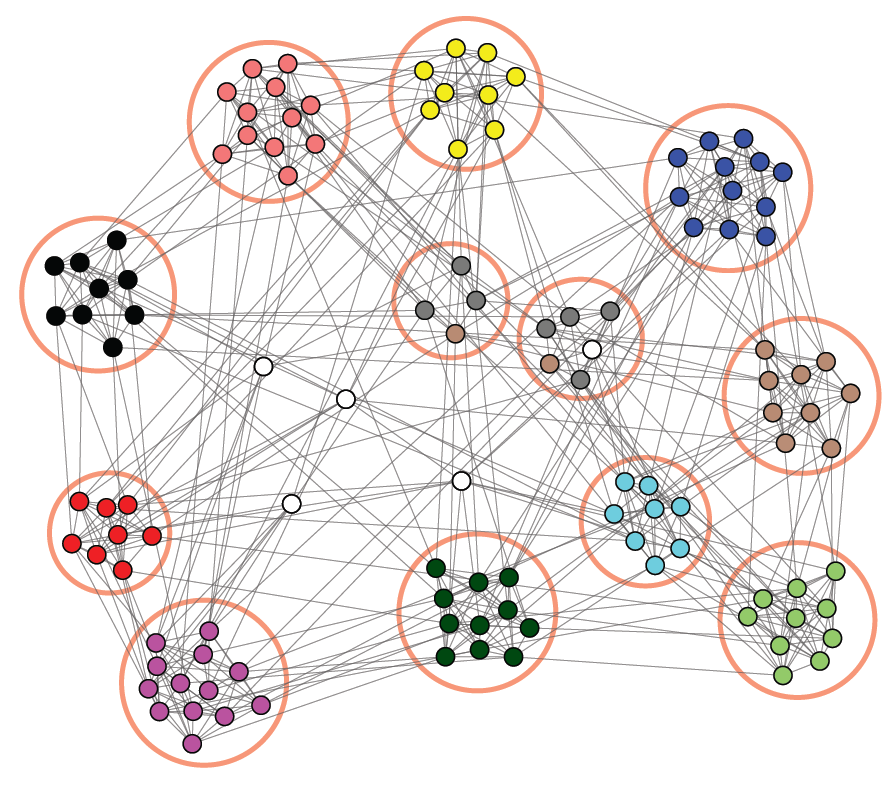
Industries like aero and auto are heavily fenced with regulations. The plot twist? Very few people actually understand them. While having a "fragmented" regulatory body might seem manageable initially, it’s a bad long-term strategy. The engineers with the greatest edge are those who master the design criteria and constraints early. The more you know the rules, the fewer iterations you waste.
4. Process vs. Progress
Every engineer starts with expectations of delivering fast. Soon, they are buried under the demands of "The Process." At some point, every engineer in this domain becomes a glorified copy-paste API—transmitting documents and data from one forum to another.
Real innovation isn't just about inventing a "Tesla Coil"; it’s about innovating the process itself. Reducing a 100-requirement document down to 10 is innovation. Tweaking design constraints to work in your favor is innovation.
5. Integration Hell and the V-Cycle’s Blind Spot
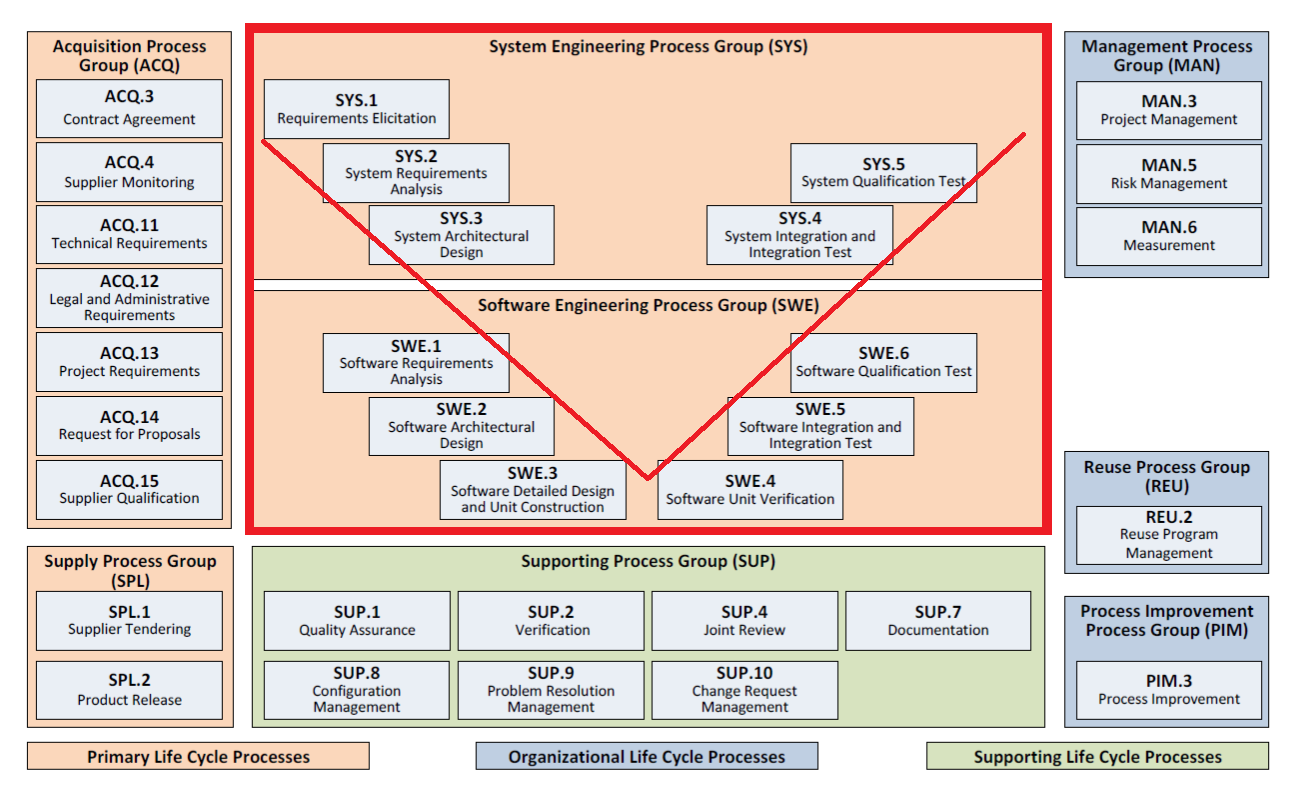
The classical V-Model talks about developing and maintaining your own system, but it fails to help you integrate two "sister" sub-systems.
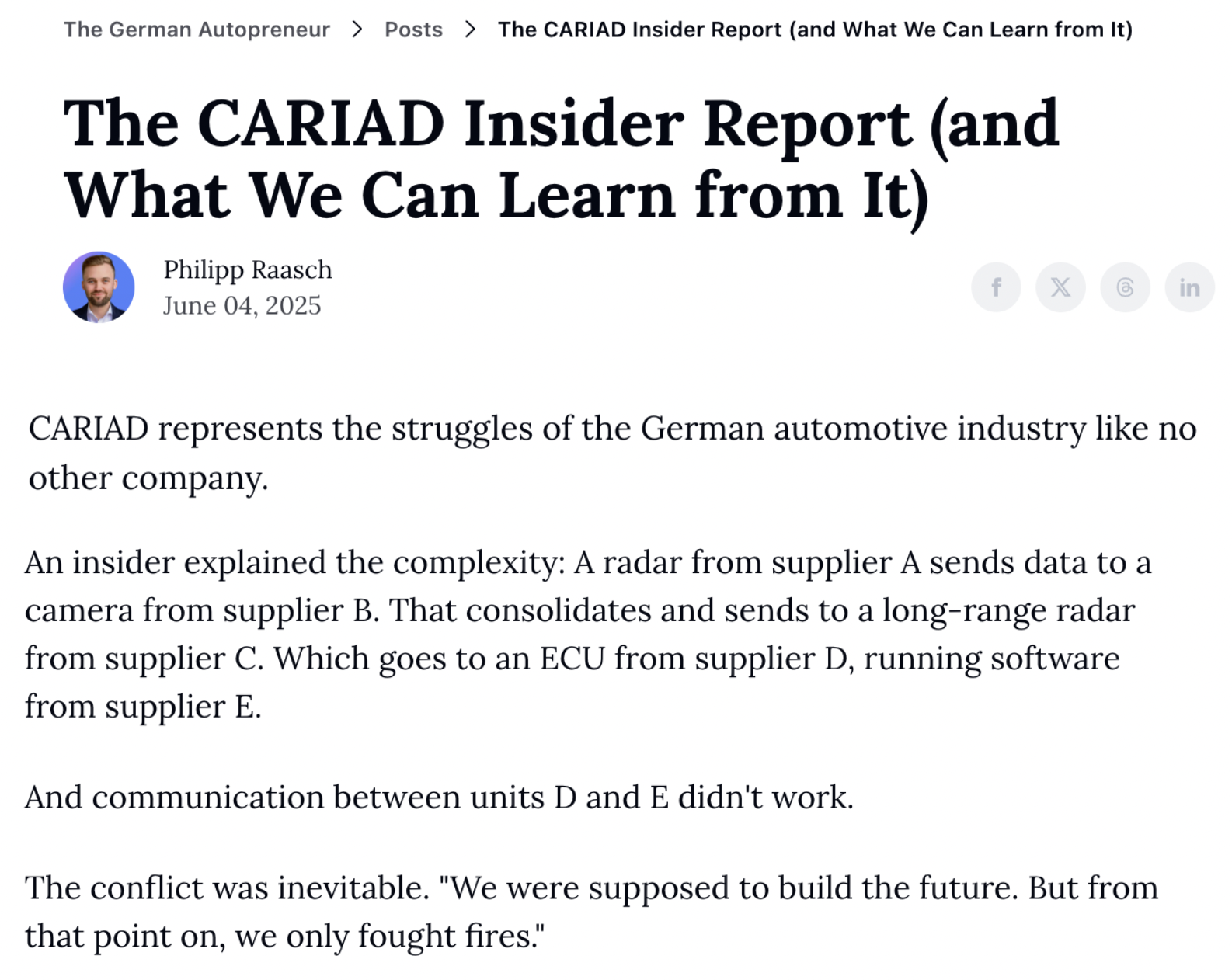
- The Silo Trap: Software silos and fragmentation might look like a clean, scalable solution on a slide deck, but they bite you the moment integration arrives.
- The Northstar: Every design principle should aim to reduce software fragmentation. Make your systems holistic and your teams small and compact. When the person building Sub-system A actually talks to the person building Sub-system B, "Integration Hell" becomes manageable.
6. Engineering as a Constant State of War
In complex systems, you are never "done." You are in a constant state of war with entropy: you build one thing, and the previous one breaks.
- Don't spend all your energy trying to make the design perfect.
- Do spend your energy building tools that allow you to break the system faster.
Validation isn't just a legal necessity; it is the sole factor that decides your delivery pace. Learn your lesson, iterate the loop, and move on.
7. Ownership Over Obsession
Understanding the problem is the hardest part of the solution. It is incredibly easy to get swayed by elegant solutions when no one in the room actually understands the problem.
In a room full of people trying to design a flying car, do not shy away from asking if solving commute time is actually the problem at hand. A culture of ownership—where everyone works out their part without questioning if it’s "their problem to solve"—is the only way to accelerate development at unimaginable rates.
Final Thought
AI is overhyped, but the challenge remains: can you help deliver a hardware product faster than ever before? That requires more than just technical skill; it requires the grit to survive the iterations and the clarity to focus on what actually matters.
- Kartikeya